Themed guide
Food in Sri Lanka
The everyday meal is rice and curry. Around it sit hoppers, kottu, hoppers again at breakfast, and a great deal of fish and coconut. Eat widely, and eat carefully in the heat.
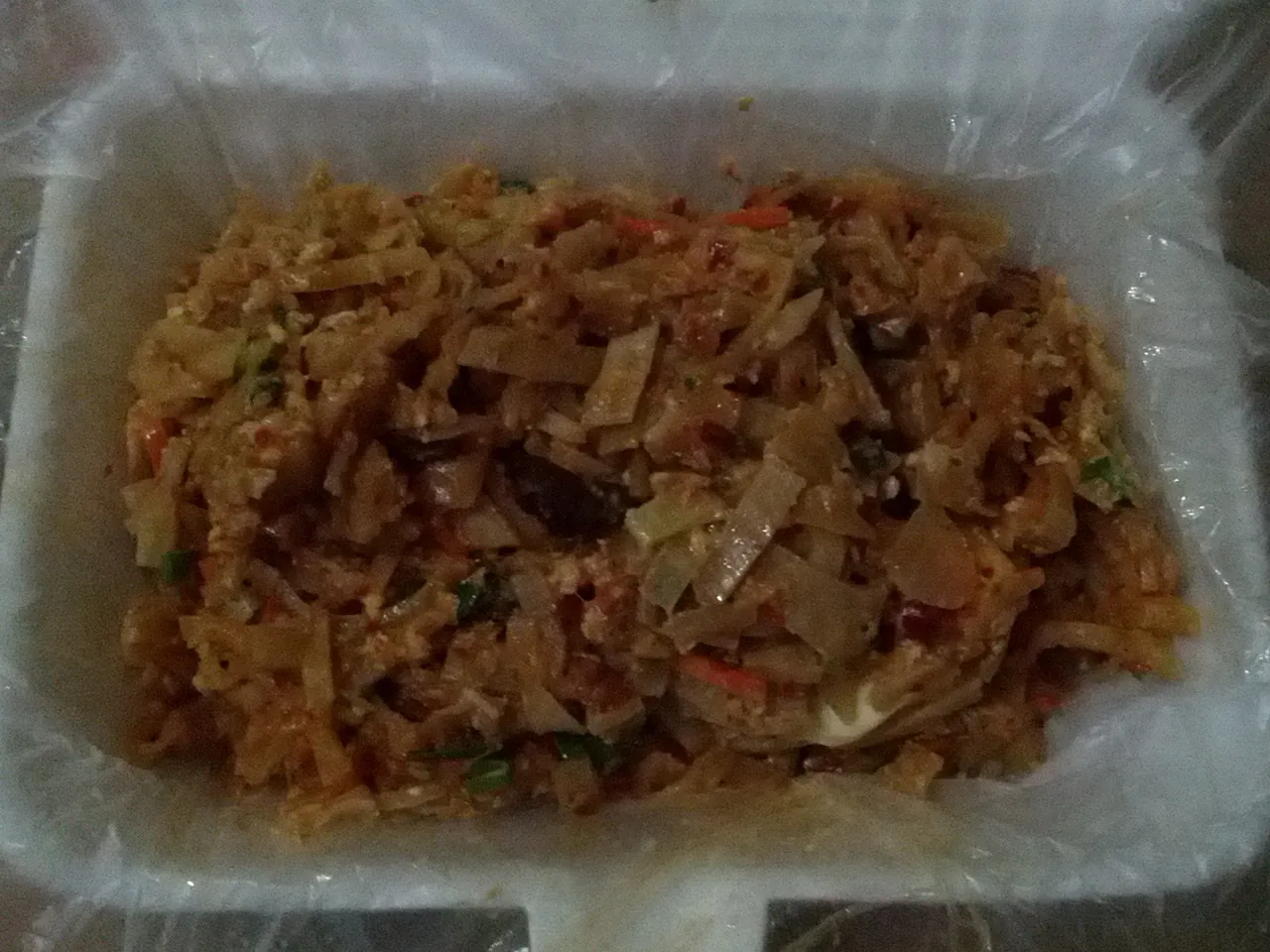
Kottu roti, a Sri Lankan street-food staple, packed to take away. Photo: Chamal N, CC BY-SA 3.0
Guides / Food in Sri Lanka
What you will actually eat
Rice and curry is the centre of the table: a pile of rice with several curries — vegetable, dhal, a sour salad or pickle, perhaps fish or chicken, and always something coconut. “Curry” here is a set of dishes, not a single yellow sauce. Hoppers (appa) are bowl-shaped fermented pancakes, often with an egg in the middle; string hoppers are steamed nests of rice noodles. Kottu roti is chopped flatbread, vegetables and sometimes meat or egg, cooked on a griddle with a noise you will hear from the street. Pittu, rotti, lamprais, and a Tamil kitchen in the north that is its own tradition, all reward curiosity.
Fresh fruit is excellent when it is in season: pineapple, papaya, mango, banana, and king coconut on the road. Tea is a meal as well as a drink. Seafood is a strong suit on the coast if it looks and smells like it came in recently. We do not have a list of favourite restaurants, because we are not pretending to have eaten our way down the island.
Eating safely, and drinking
Sri Lanka Tourism and the CDC both give the unglamorous advice that works: prefer food that is cooked through and served hot, be careful with salads, unpeeled fruit and ice if you are unsure of the water, and wash your hands. Traveller’s diarrhoea is common enough to plan for; it is not a moral failing. Alcohol is sold in many hotels and restaurants, but not everywhere, and not necessarily on every religious holiday. Ask, rather than assuming a beach bar exists in every town.
Sources
Last checked 29 November 2026. Opening hours, tickets, visas, park closures and weather change; confirm with the source before you rely on it.