An independent guide
Sri Lanka, explained carefully.
A practical tourist guide to the island: when to go, how to enter, the trains, the coasts, the hills and the old cities — with sources, and without invented travel stories.
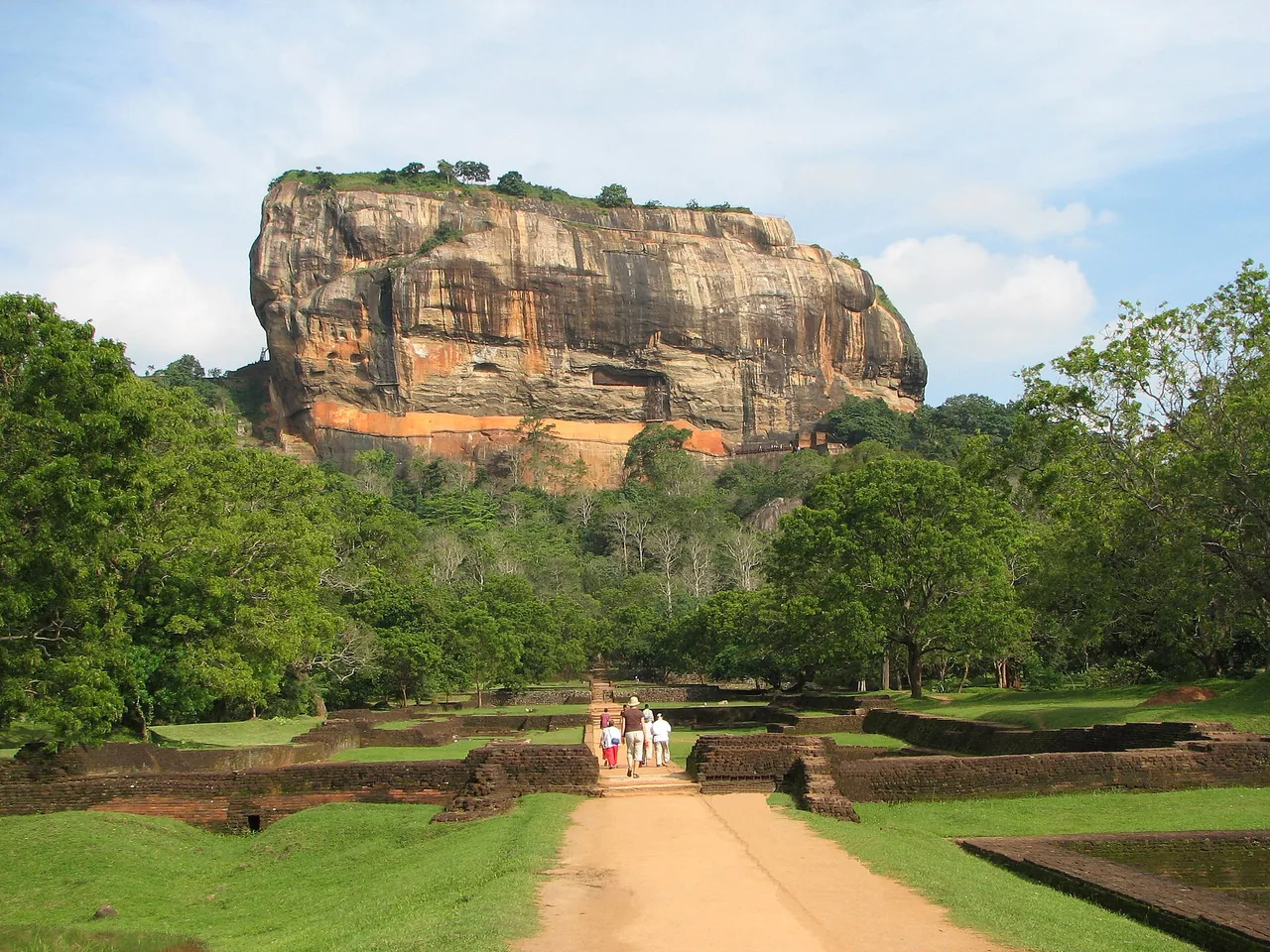
Sigiriya, the fifth-century rock fortress in the Cultural Triangle. Photo: Bernard Gagnon, CC BY-SA 3.0
Sri Lanka is small on the map and large on the ground. The useful first decision is not “which hotel”, it is which coast matches your dates, and whether you want the Cultural Triangle, the hill railway, a national park, or the north — or a realistic combination of those. This site is published by Middle Earth Consulting AB. It is a researched guide, not a shop, and not a diary of a trip.
Places
Regions and towns with enough context to decide whether they belong on your route.
Colombo
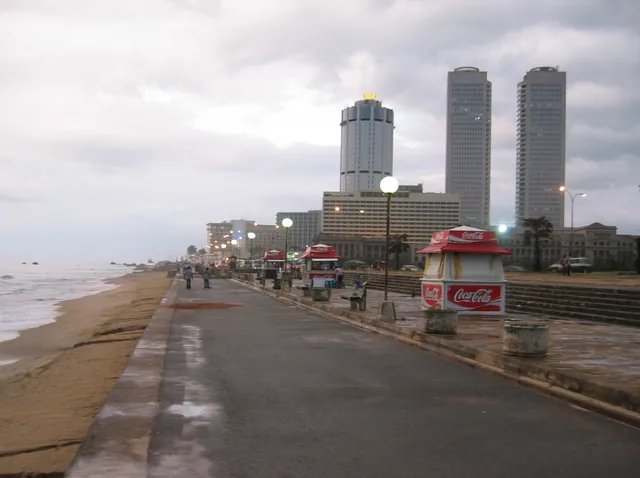
Sri Lanka’s commercial capital: a working port city, not a beach resort, and the usual first stop after the airport.
Negombo
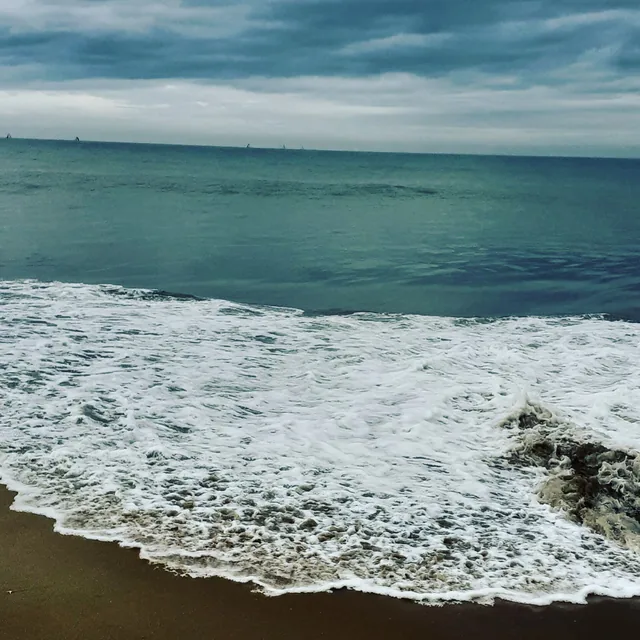
A fishing town and beach strip close to the international airport — useful for first and last nights.
Galle and the Fort
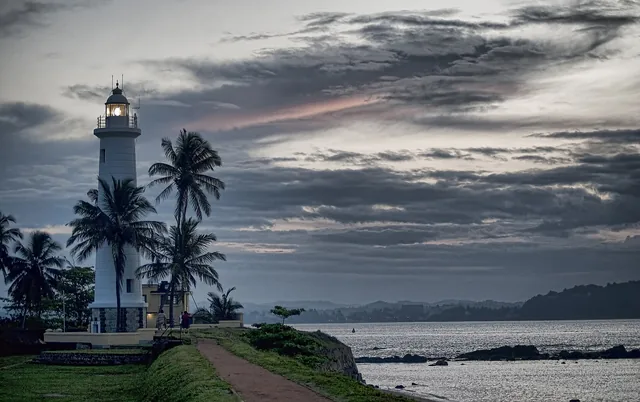
A UNESCO-listed fortified town on the south coast, compact enough to walk, and a natural base for the beaches nearby.
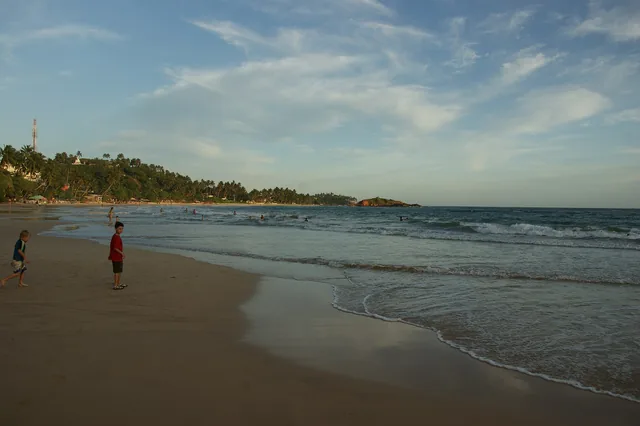
Mirissa, Unawatuna and the south coast
Beach towns east of Galle, used for swimming, surfing and, in season, whale-watching trips from Mirissa.
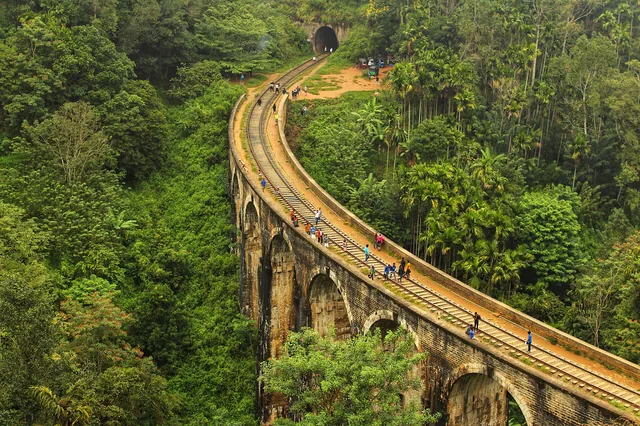
Ella
A small hill town on the railway, with tea slopes, short hikes and the Nine Arches Bridge nearby.
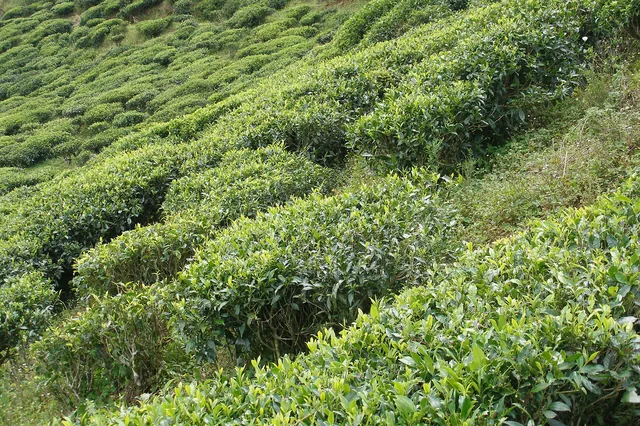
Nuwara Eliya and tea country
A high plateau of tea estates, cool evenings and the old hill station of Nuwara Eliya.
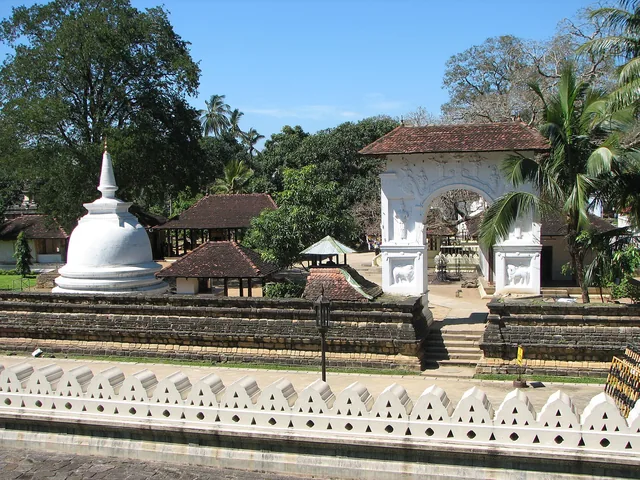
Kandy
The last capital of the Sri Lankan kingdom, and the sacred city around the Temple of the Tooth.
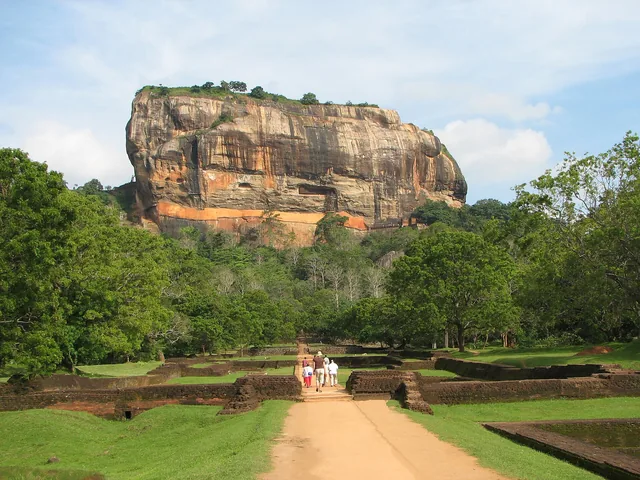
Sigiriya and the Cultural Triangle
Sigiriya, Dambulla, Polonnaruwa and Anuradhapura — four UNESCO sites in the dry-zone plains of the north-central island.
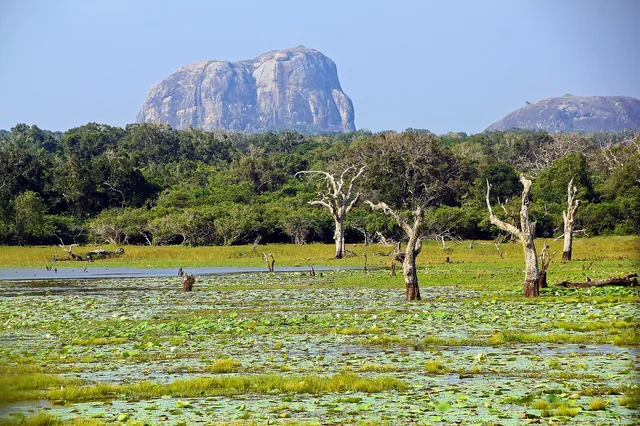
Yala and the southern parks
Sri Lanka’s best-known national park, and a reminder to check which blocks are actually open before you book a safari.
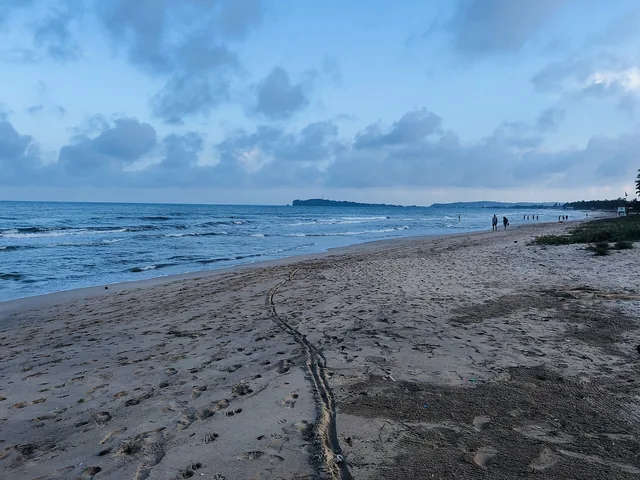
Trincomalee and the east coast
Bays, beaches and a natural harbour that come into their own when the west and south are in the monsoon.
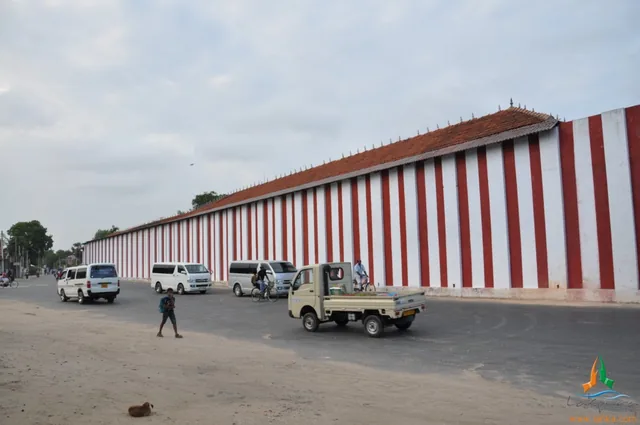
Jaffna and the north
The Tamil cultural centre of the northern peninsula: temples, a fort, lagoon islands and a different kitchen from the south.
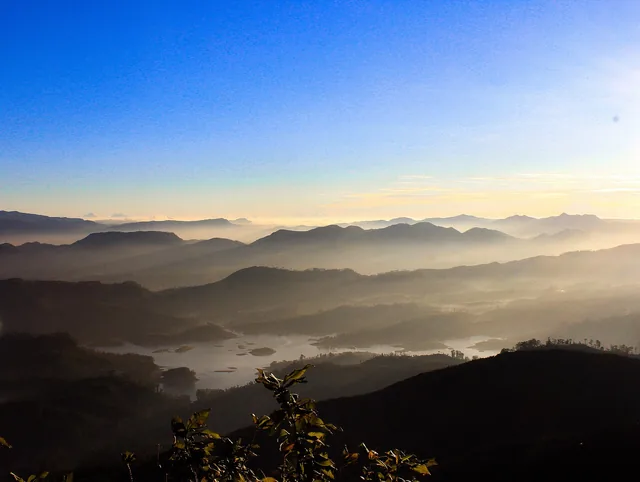
Adam’s Peak
Sri Pada, a sacred mountain with a steep night climb and a sunrise that depends on your legs and the clouds.
Guides
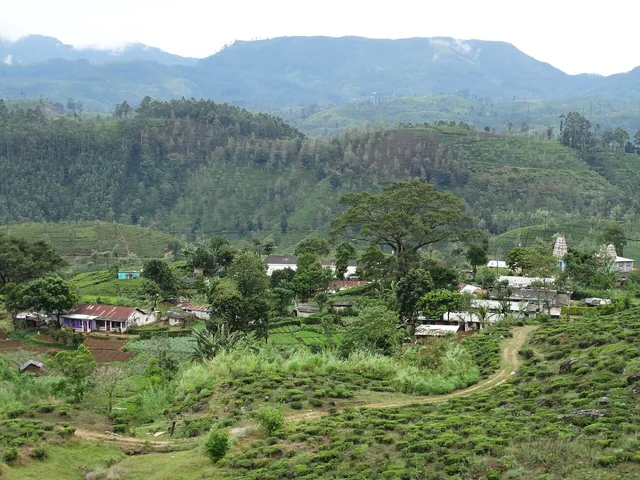
Planning a trip
When to go, visas and the ETA, money, health, safety, SIMs and transport.
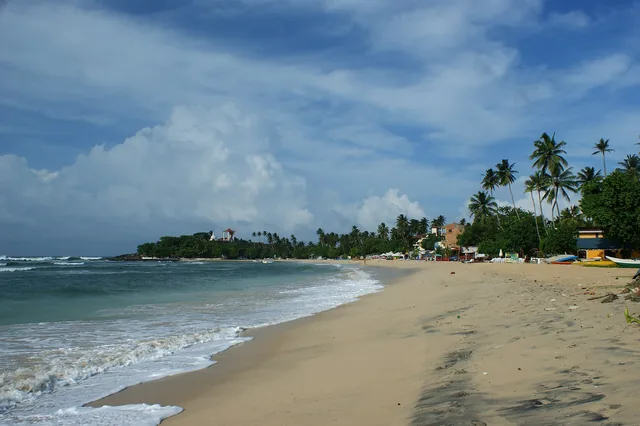
Beaches in Sri Lanka
Pick the coast that matches your dates, not the photograph you liked first. The west and south, and the east, have almost opposite seasons.
Tea and the hill country
The highlands are why many people fall for Sri Lanka: cooler air, the railway, and hillsides of tea. They are also wetter and more changeable than a postcard suggests.
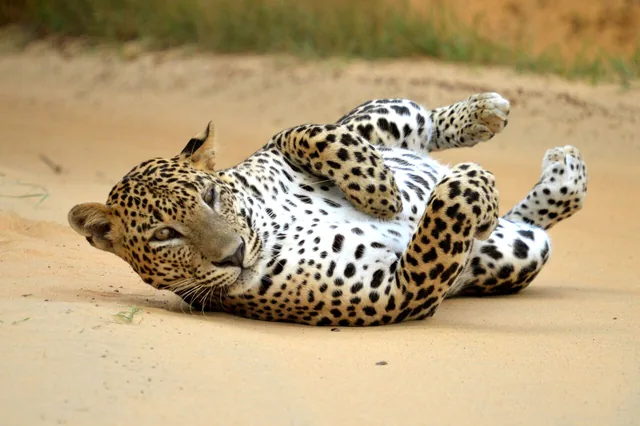
Wildlife and national parks
Sri Lanka’s parks can be extraordinary, and they can also be closed, crowded or empty of the animal you came for. Plan for the landscape; treat a leopard as a bonus.
Food in Sri Lanka
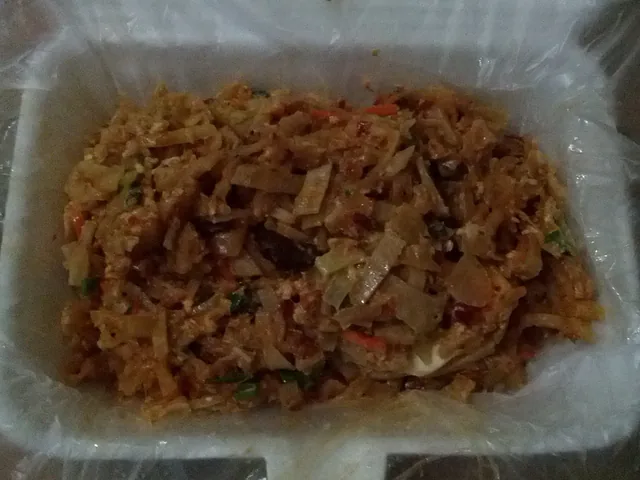
The everyday meal is rice and curry. Around it sit hoppers, kottu, hoppers again at breakfast, and a great deal of fish and coconut. Eat widely, and eat carefully in the heat.
Trains in Sri Lanka
The hill-country railway is one of the best days you can spend in Sri Lanka, if you treat it as a slow public train and book the reserved seats in time.
A suggested 7-day route
A compact loop for a first visit in the south-and-west season: the Cultural Triangle, Kandy, the train to Ella, and the south coast. This is a suggested route, not a diary of a trip we have taken.
A suggested 14-day route
Two weeks is enough to slow down: a proper Cultural Triangle, the hills and the train, a park, a coast that matches the season, and, if you want it, the north. Still a suggested route, not a personal trip diary.